

3D - Printed Shaving Brush Knots: Customizable Density for Personalized Lathering
3D-Printed Shaving Brush Knots Customizable Density for Personalized Lathering
For decades, wet shaving enthusiasts have sought the perfect lather—rich, creamy, and tailored to their unique needs. Central to this quest is the shaving brush knot, the cluster of bristles that determines lathering performance, comfort, and durability. Traditional knots, often hand-tied or machine-pressed, come with fixed densities, leaving users to adapt their technique to the brush rather than the other way around. Enter 3D-printed shaving brush knots: a technological leap that puts density customization in the hands of the user, redefining personalized lathering.
The Limitations of Traditional Knots
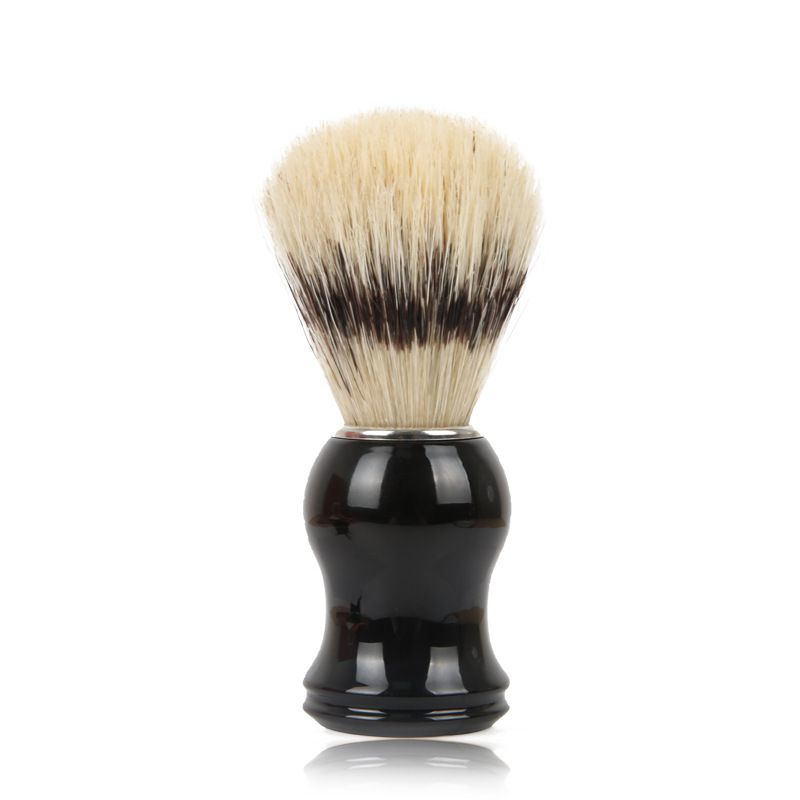
Conventional shaving brush knots are typically crafted from natural (badger, boar) or synthetic fibers, bound into a fixed shape with glue or mechanical pressure. Density—the number of bristles per unit volume—dictates critical traits: softness (gentle on sensitive skin), backbone (stiffness to work lather into facial hair), and water retention (key for rich foam). A one-size-fits-all density means a brush that’s too soft for coarse beards may lack backbone, while a dense knot might irritate sensitive skin. Users often compromise, settling for a "good enough" option instead of their ideal.
3D Printing: Precision Redefined
3D printing technology, specifically Selective Laser Sintering (SLS) and Digital Light Processing (DLP), has transformed knot production. Using food-grade nylon or medical-grade resins, manufacturers can now 3D-print brush knots with microscale precision. Unlike traditional methods, 3D printing allows layer-by-layer control over bristle thickness, spacing, and orientation—variables that directly influence density.
For example, a user with coarse facial hair might opt for a high-density knot (70-80% fill) with stiffer, closely packed bristles to penetrate thick growth and generate robust lather. Conversely, someone with sensitive skin could choose a low-density (30-40% fill) knot with finer, spaced bristles for a softer, more gentle glide. Even mid-range densities (50-60%) can be tailored: adjusting bristle angle to optimize water retention or varying thickness across the knot (denser at the base for backbone, softer at the tips for comfort).
Customization Beyond Density
3D printing’s flexibility extends beyond density. Brands now offer online tools where users input preferences—beard type (fine/coarse), skin sensitivity (low/high), and lathering style (cream/soap)—to generate a custom knot design. Some even integrate AI, analyzing user feedback to refine density profiles over time. This level of personalization was unthinkable with traditional manufacturing, where mold costs and production scales limited variety.
Sustainability and Performance
Beyond personalization, 3D-printed knots align with eco-conscious trends. Traditional knot production often generates waste from excess materials or misaligned bristle bundles. 3D printing, by contrast, uses only the necessary material, reducing waste by up to 30%. Additionally, synthetic 3D-printed fibers (like nylon 12) are durable, quick-drying, and cruelty-free—appealing to ethical consumers who avoid animal-based brushes.
The Future of Shaving: User-Centric Innovation
As 3D printing costs decline and technology advances, customizable knots are poised to go mainstream. Early adopters report improved lathering consistency, reduced skin irritation, and a stronger connection to their grooming routine—"it feels like the brush was made for me," as one enthusiast noted. For manufacturers, this shift means moving from mass-produced "standard" brushes to hyper-personalized tools, fostering brand loyalty in a competitive market.
In the end, 3D-printed shaving brush knots aren’t just a technical upgrade—they’re a testament to the growing demand for products that adapt to people, not the other way around. For the modern wet shaver, the perfect lather is no longer a hunt for the "right" brush. It’s a custom creation, printed to fit.


